
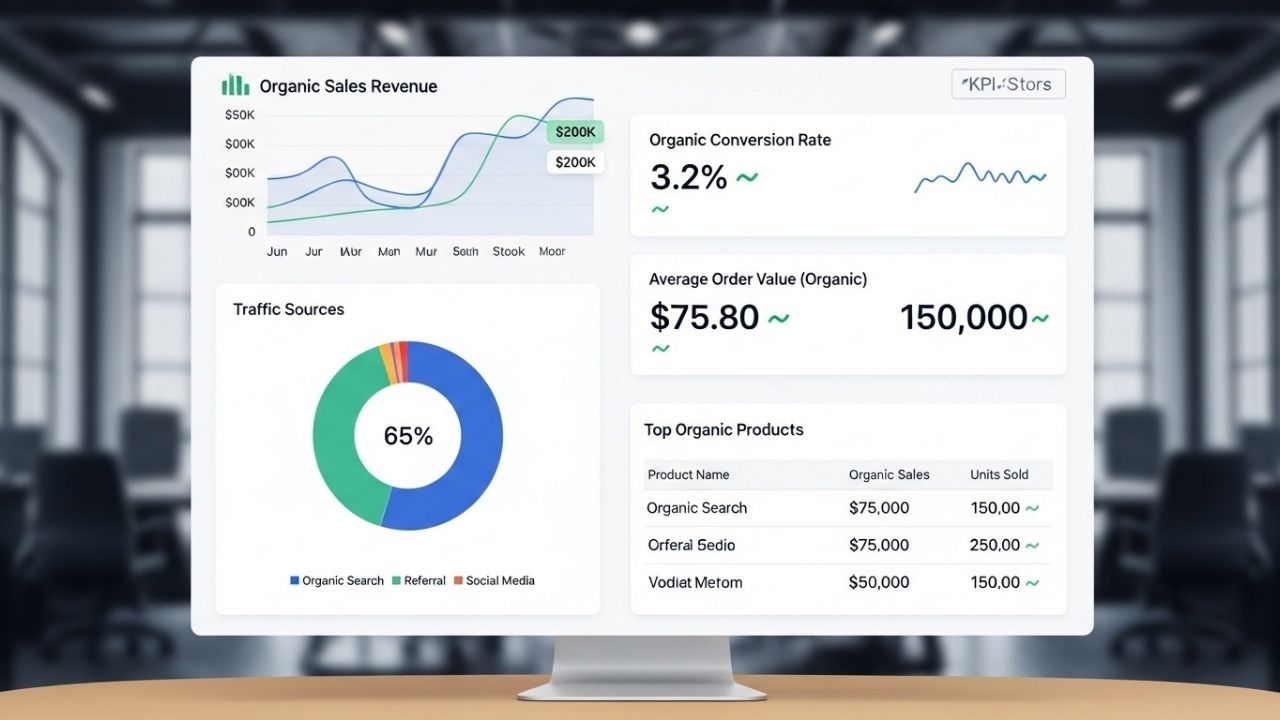
Ecommerce seo

E-COMMERCE

Ecommerce SEO That Brings Buyers—Not Just Traffic

Ecommerce SEO is different from “regular” SEO because your website isn’t made of a few service pages—it’s made of hundreds (or thousands) of URLs that can either help you grow or quietly compete against each other.

Most ecommerce stores don’t struggle because Google “doesn’t like them.” They struggle because the site structure isn’t clear, product pages aren’t optimized for how shoppers search, filters create duplicate pages, and the content strategy doesn’t support category-level rankings. As a result, the store gets traffic that doesn’t convert—or never earns enough visibility for high-intent keywords in the first place.

At KSM Media Hut, our Ecommerce SEO service focuses on what actually drives organic revenue: a clean technical foundation, a category-first keyword strategy, optimized product and collection pages, and authority that helps you compete on commercial terms. The end goal is simple: increase organic visibility for buying intent queries and turn that visibility into sales.

Meta Ads
Google Ads
YouTube Ads
Amazon PPC
icon
targeted audience

Who Ecommerce SEO Is For

This service is a strong fit if:

  • You’re on Shopify, WooCommerce, or another ecommerce platform and want consistent organic sales
  • Paid ads are getting expensive and you want a channel that compounds
  • Your category pages don’t rank for “money keywords”
  • You have many products but low organic traffic
  • Your site has indexing issues, duplicates, or thin pages
  • You’re expanding into new collections, markets, or product lines
  • You want SEO that’s tied to revenue, not vanity metrics

“Ecommerce SEO is won at the category level. When your site structure is clear, your collections match real buying intent, and Google can crawl the right pages, organic revenue becomes predictable over time.”— Khurram Javaid, CEO

icon
Unique seo

What Makes Ecommerce SEO Unique
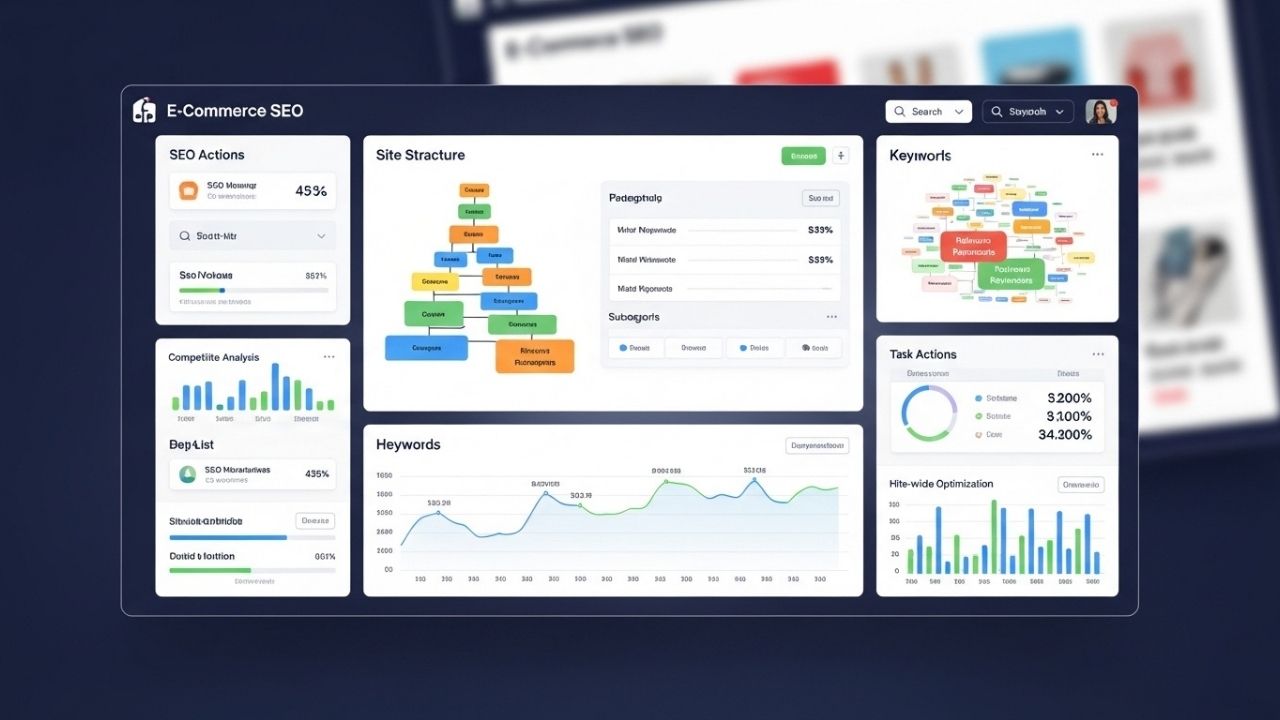
A local business might need 10–30 pages to rank. An ecommerce store can have thousands—and that changes the entire SEO approach.

Ecommerce SEO succeeds when you get three things right:

Site architecture that makes sense to Google and shoppers

Your collections, categories, and internal links must clearly show what’s important and how products relate. If the structure is messy, Google can’t prioritize the right pages.

Commercial intent keyword targeting

Ecommerce SEO isn’t mostly informational. The winners are terms like “buy,” “best,” “price,” “near me,” “free shipping,” and category-specific queries. You need a plan that targets revenue-driving intent first.

Scalable optimization

You can’t handcraft every product page like a blog post. The strategy must scale through templates, patterns, and repeatable improvements—without creating duplicate content.

Meta Ads
Google Ads
YouTube Ads
Amazon PPC
icon SEO at KSM

How We Do Ecommerce SEO at KSM Media Hut

We follow a performance process that stays consistent across platforms, while adapting to your market and goals.

Ecommerce SEO Audit (Technical + Commercial)

e identify growth blockers and successes, examining indexability, crawl efficiency, platform limits, duplicates, and revenue-impact pages to map an actionable path.
01

Keyword Strategy Built Around Collections and Categories

For ecommerce, we map keywords to category and collection pages—core terms, attributes, product terms, and support topics—creating a practical roadmap that prevents cannibalization & guides optimization priorities.
02

Category and Collection Page Optimization

Category pages gain context with optimized headings, clean URLs, helpful copy, strategic internal linking, and UX tweaks that boost trust and reduce bounce.
03

Product Page SEO & Technical Foundations

Product pages target long-tail queries with unique titles, structured data, image optimization,& smart internal linking, while technical SEO fixes reduce crawl waste & improve speed .
04

Let's make something great work together. Get Free Quote

icon
Revenue

Content That Supports Revenue (Not Just Traffic)

Ecommerce content works best when it supports commercial decisions.

Instead of publishing generic blogs, we build content that:

  • answers pre-purchase questions
  • targets comparisons and “best of” queries
  • supports category pages with internal links
  • builds topical authority around your products

This approach increases rankings for high-intent searches and also improves conversion because shoppers feel more informed.

icon KEY points

What You Can Expect From Ecommerce SEO

In the early stage, we focus on technical cleanup, indexation control, and quick-win optimizations on priority categories. Then we build depth: category improvements, internal linking, content support, and authority.

Stronger rankings for category/collection keywords

Expect improved visibility for core category terms as site structure and internal linking reinforce topical authority, boosting rankings and attracting relevant shoppers over time.
01

Increased product visibility for long-tail purchase terms

Long-tail product queries gain traction through optimized product pages, rich content, and internal connections, driving more qualified traffic with buying intent.
02

Improved conversion rate from organic traffic

Organic visitors become buyers more often due to clearer value propositions, persuasive product details, and smoother user journeys from search results to checkout.
03

Reduced dependence on paid media for every sale

SEO gains lower the need for paid ads, delivering sustainable traffic and cost efficiency as rankings stabilize and organic revenue grows.
04

Let's make something great work together. Get Free Quote

icon
Testimonial

Hear what others say about partnering with us

4.8

icon
Frequentl Asked Question

Clear Answers, To Quick Solutions

How long does Ecommerce SEO take to show results?

Most stores see early movement within 30–60 days after technical fixes and category optimization. Stronger revenue impact often appears in 90–180 days depending on competition, site size, and authority.

Yes. We support Shopify, WooCommerce, and other common ecommerce platforms, adapting the strategy to platform limitations and best practices.

Usually category/collection pages drive the biggest commercial rankings. Product pages matter for long-tail searches and brand/SKU terms. We build a plan that targets both, in the right order.

That’s one of the most common ecommerce SEO issues. We handle indexation strategy, canonical setup, and crawl control so duplicates don’t dilute rankings.

Yes—but we focus on revenue-supporting content like comparisons, buyer guides, and category support content, not random blog posts.

We track category rankings, organic revenue (where accessible), conversions, qualified sessions, indexation health, and page-level improvements tied to commercial performance.