
Semantic SEO

Semantic SEO

Semantic SEO That Makes Google Understand Your Business

Ranking today isn’t about repeating a single keyword on a page. It’s about whether search engines clearly understand your business, your expertise, and how your content connects across a topic.

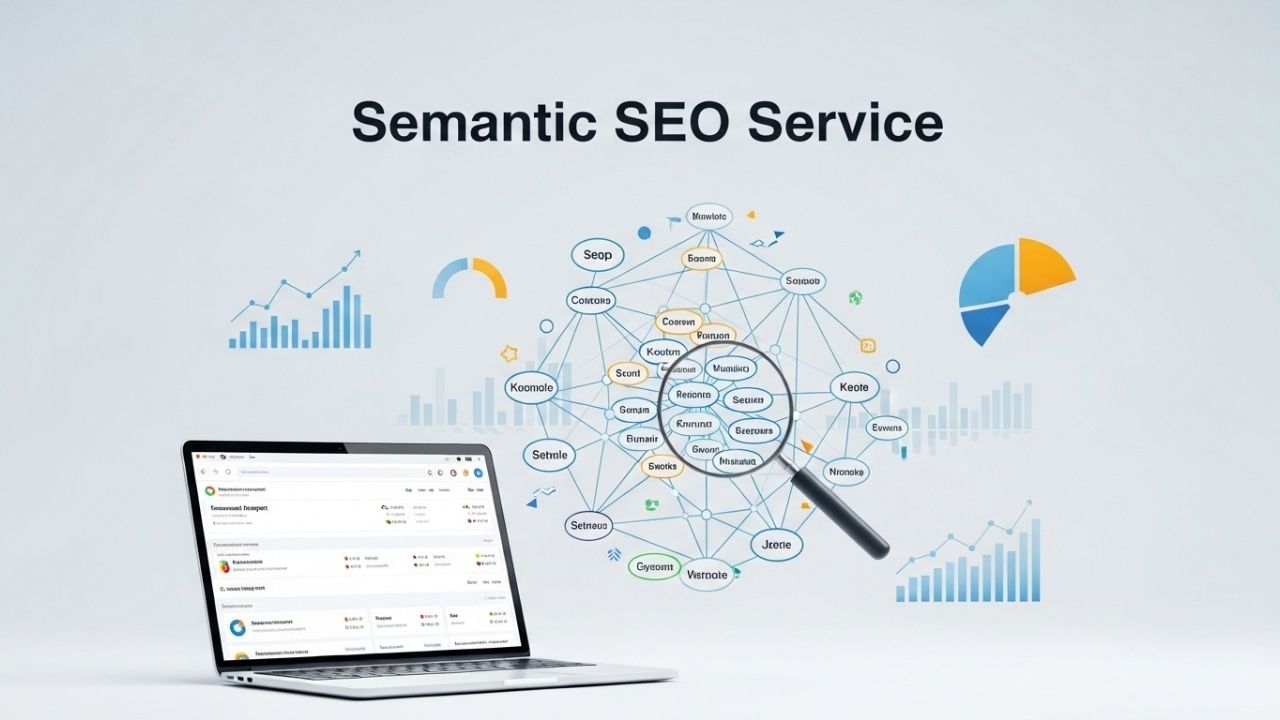
Semantic SEO is the strategy that builds that understanding. Instead of chasing isolated keywords, we organize your site around topics, intent, entities, and relationships—so Google can confidently classify your pages, match them to more searches, and trust your website as an authority.

At KSM Media Hut, our Semantic SEO service is designed to help brands rank more consistently, win broader keyword coverage, and grow organic leads without relying on one “lucky” page.

“Semantic SEO is how you scale trust in search. When your website is structured around topics and intent, Google understands you better—and customers find you faster for the right searches.” — Khurram Javaid, CEO

Meta Ads
Google Ads
YouTube Ads
Amazon PPC
icon
What is Paid Marketing

What Semantic SEO Actually Improves

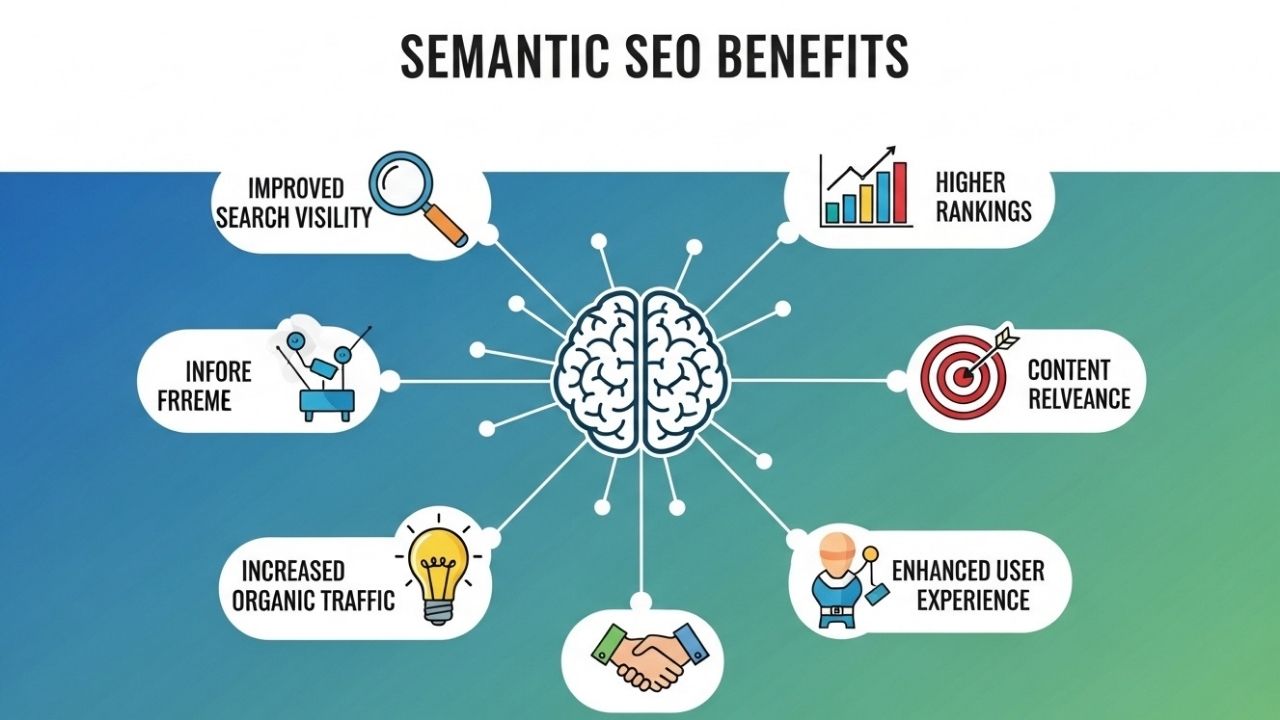
Semantic SEO strengthens how your website communicates meaning. When it’s done right, you benefit in three ways:

1) More rankings across more queries
A strong topic cluster helps you rank for variations, related searches, and long-tail questions—not just the primary keyword.

2) Higher quality traffic
Because the content is aligned with intent, visitors arrive with clearer expectations and convert at a higher rate.

3) Stronger authority and stability

Semantic structure helps your site become more resilient through algorithm updates because it’s built around depth and relevance, not hacks.

icon
Campaigns Fail

Why Many SEO Campaigns Stall
A website can have decent content and still struggle to grow because the site is not structured semantically. Common issues include:

  • Blog posts are published randomly with no topic strategy
  • Multiple pages target similar keywords and compete with each other
  • Service pages are thin, generic, or missing supporting context
  • Internal linking is inconsistent or purely navigational
  • Content answers “what” but not “why, when, who, and how”
  • The site lacks entity clarity (Google can’t confidently define what you are)

Semantic SEO fixes the foundation so rankings can scale.

Meta Ads
Google Ads
YouTube Ads
Amazon PPC
icon Run PPC at KSM

What We Do in KSM’s Semantic SEO Service

Topic & Entity Strategy

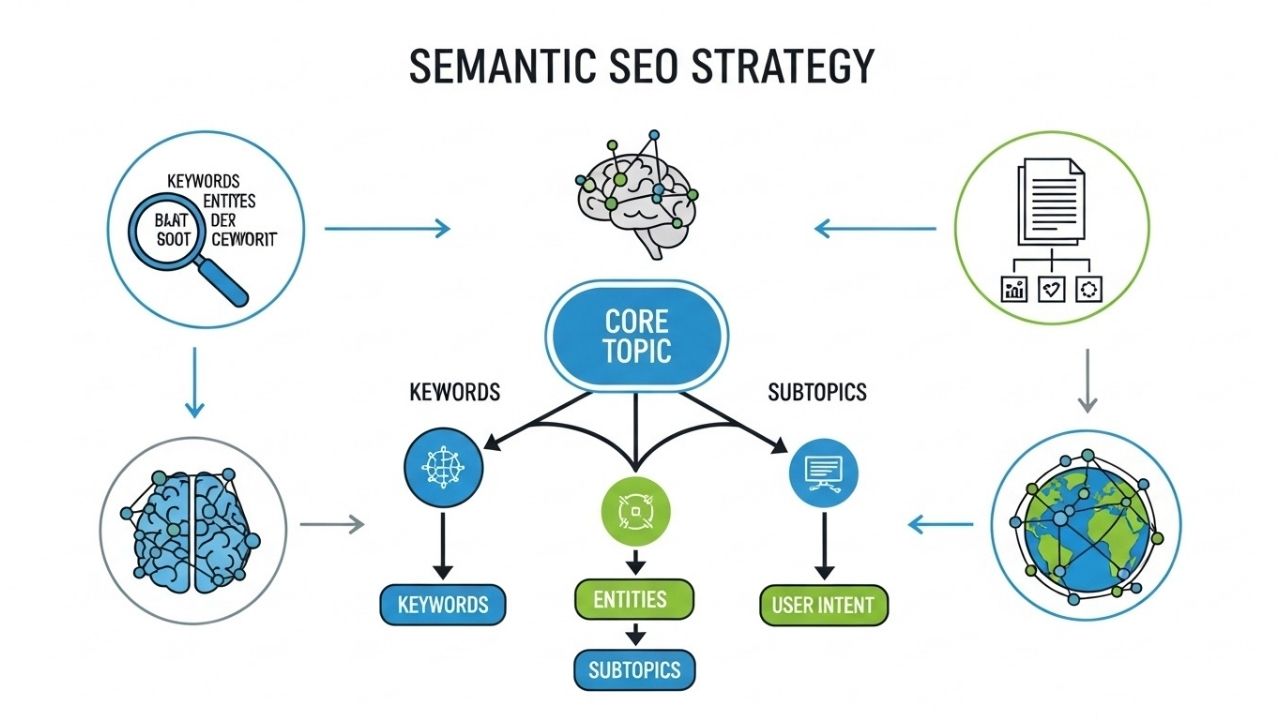
We start by defining your core topics and the entities connected to your business—services, locations, industries, problems, solutions, tools, outcomes, and terminology your audience uses. This becomes your topical map and helps build clarity around what you should be known for.
01

Content Architecture (Clusters, Not Random Blogs)

We build a structured content system using pillar pages for main topics, supported subtopic pages aligned to intent, plus FAQ and comparison content for high-intent searches. Logical internal linking connects everything, helping search engines view your site as a complete, coherent resource rather than disconnected blog posts.
02

On-Page Semantic Optimization

We refine pages so meaning is clear without keyword stuffing. That includes headings, contextual terms, definitions, supporting sections, and better content flow so the page answers the intent completely.
03

Internal Linking That Builds Authority

We build intentional internal link pathways that reinforce topic relationships, guide users naturally, and distribute authority to key pages.
04
Let's make something great work together. Get Free Quote

icon
Platforms

Measurement That Connects to Business Outcomes

Semantic SEO isn’t measured by “one keyword moved.” We track:

  • growth of keyword footprint across a topic
  • improvement in impressions and rankings for related queries
  • increase in high-intent page traffic
  • organic lead quality and conversions tied to the cluster
icon
Platforms

Where Semantic SEO Works Best
Semantic SEO tends to deliver strong returns for businesses that have complex offerings or trust-based buying journeys, including:

  • Local and multi-location services
  • Healthcare and wellness brands
  • Home services and contractors
  • B2B consulting and professional services
  • SaaS and tech companies
  • High-consideration eCommerce categories

If your customers search in multiple ways—and ask many related questions—semantic structure is how you capture that demand consistently.

icon
Testimonial

Hear what others say about partnering with us

4.8

icon
Frequentl Asked Question

Clear Answers, To Quick Solutions

How is Semantic SEO different from traditional SEO?

Traditional SEO often focuses on individual keywords and pages. Semantic SEO focuses on topic authority—how pages connect, how intent is covered, and how search engines interpret meaning across your site.

Not always. Many wins come from restructuring existing pages, improving internal linking, and consolidating overlapping content before adding new pages.

 Yes. Semantic SEO strengthens service + location relevance and helps your site cover related queries that local customers actually search.

Access to your website/analytics tools (if available), your key services or products, your target markets, and any priority offers you want to rank for first

Some improvements (like cannibalization fixes and on-page upgrades) can show movement in weeks, while topic authority builds and compounds over months.

Often, yes. Semantic structure improves clarity and coverage, which can increase eligibility for snippet-style answers and AI-referenced results.